
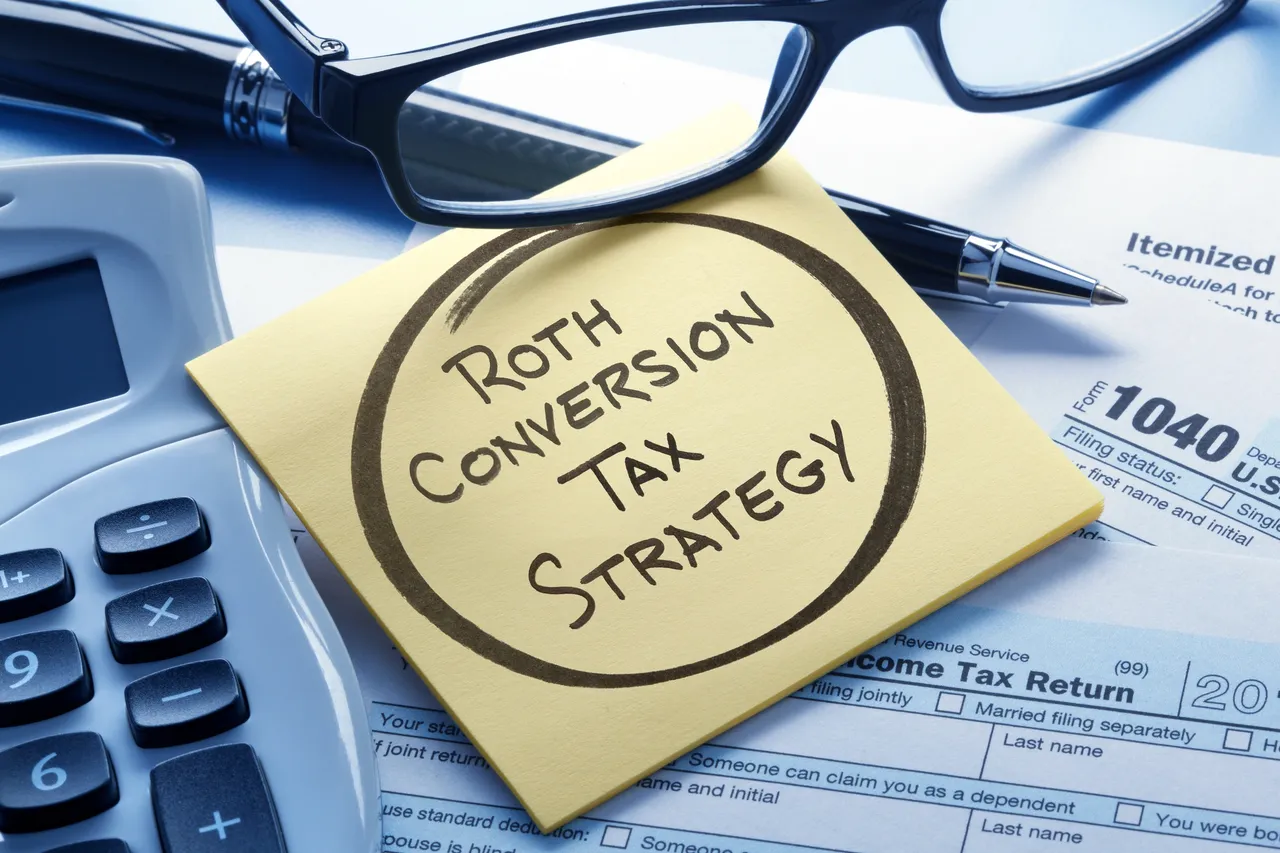
Navigating the Pro-Rata Advantage in Backdoor Roth Conversions
Embarking on the journey of a backdoor Roth conversion can be both intriguing and rewarding, especially when you understand the role of the Pro-Rata Rule. This strategy allows investors to harness the benefits of a traditional IRA conversion while controlling tax impacts. As you delve into this process, you’ll discover how these conversion methods can optimize your retirement planning in areas like New York, where financial decisions hold significant local relevance.
In this section, you will learn:
- How backdoor Roth conversions work and why they are favored among savvy investors.
- The advantages of employing the Pro-Rata Rule to manage multiple IRA accounts and balanced taxable income.
- Strategies to mitigate the risk of unexpected tax liabilities by thoughtfully timing and structuring your conversions.
This overview sets the stage for addressing common concerns related to retirement planning and tax efficiency. By grasping the nuances of the backdoor Roth process, you can make informed decisions that align with both your short-term financial needs and long-term retirement goals.
Demystifying the Pro-Rata Rule in Retirement Conversions
Understanding the pro-rata rule is crucial when considering backdoor Roth conversions, as it determines how traditional and after-tax funds are combined during the conversion process. Essentially, the rule mandates that if you hold both pre-tax and after-tax dollars in your IRA, any conversion must proportionally include both components. This means you cannot isolate only the non-taxable portion; instead, conversion amounts are calculated to reflect the overall account balance.
Key points to consider include:
- Allocation Impact: The conversion amount directly influences your taxable income by including a percentage of pre-tax money.
- Planning Complexity: Navigating this rule requires strategic planning to avoid unexpected tax liabilities, especially during periods of income instability.
- Regular Assessments: Monitoring your account’s composition can help ensure that your conversion strategy remains tax-efficient over time.
For those in areas like Floral Park, New York, where local tax considerations add an extra layer of complexity, understanding the pro-rata rule not only aids in maintaining compliance but also supports more accurate financial forecasting. Being knowledgeable about these conversion mechanics empowers you to make informed decisions while tailoring a plan that minimizes tax burdens and aligns with your retirement goals.
Mastering Pro-Rata Conversions: A Step-by-Step Guide
Dive into the practical side of backdoor Roth conversions with illustrative examples that clarify the application of the pro-rata rule. This guide breaks down the process into actionable steps you can follow to navigate complex conversion scenarios with confidence.
- Identify All IRA Balances
• Start by listing all your traditional IRAs, making note of each account’s balance.
• Best Practice: Use clear records to avoid overlooking any funds when calculating totals. - Calculate the Pro-Rata Percentage
• Derive the ratio of after-tax contributions to your total IRA balance.
• Tip: This percentage determines the taxable portion in your conversion. - Execute the Conversion
• Convert the desired amount to a Roth IRA while applying the pro-rata percentage to isolate the tax liability.
• Actionable Step: Perform a trial conversion with estimated values to check for accuracy. - Review and Adjust
• After the conversion, reconcile your calculations to ensure compliance with IRS guidelines, particularly for residents in Floral Park, New York.
• Best Practice: Reassess annually to account for any shifts in account balances and tax regulations.
Follow these detailed steps to implement pro-rata conversions effectively and maintain tax efficiency in your retirement planning.
Smart Tactics for Minimizing Pro-Rata Tax Impacts
Dealing with the tax implications of the pro-rata rule in backdoor Roth conversions calls for a strategic, informed approach. When planning your conversion, understanding the balance between immediate tax exposure and long-term retirement benefits is key. Start by reviewing your current income level and anticipated changes for the upcoming tax years. This assessment helps in estimating the optimal conversion amounts and timing adjustments.
Here are some practical tips:
- Analyze your annual income trends to project when conversion amounts might push you into a higher tax bracket.
- Break down your conversion into manageable segments to avoid a large, sudden tax hit.
- Regularly monitor tax code updates and local regulations—this is especially important for taxpayers in regions like Floral Park, New York, where state-specific nuances can affect outcomes.
Using these approaches, you can strategically spread conversions over several years, reducing unexpected tax liabilities while aligning with your long-term financial objectives. Ultimately, disciplined planning and regular financial reviews empower you to harness the benefits of backdoor Roth conversions while effectively managing tax impacts.
FAQs: Mastering Backdoor Roth Conversions with the Pro-Rata Rule
How does the pro-rata rule impact my conversion strategy?
The rule requires a proportionate calculation of your pre-tax versus after-tax contributions when converting, ensuring all funds are included in the taxable base. This means careful planning is essential to avoid unexpected tax burdens.
What steps help in optimizing tax efficiency?
- Segregate your pre-tax and non-deductible funds.
- Consider spreading out conversions over multiple years to prevent sudden tax spikes.
Can a staggered conversion approach reduce tax liability?
Yes, laddering your conversion allows you to manage taxable income more smoothly, giving you time to adjust based on annual income and market conditions.
How should local factors, such as those in Floral Park, New York, influence my decision?
Local tax laws and regional economic factors play a crucial role. Understanding state-specific guidelines can assist in fine-tuning your conversion timeline for optimal outcomes.
Are there practical tools to track conversion performance?
Utilize budgeting software and maintain detailed records of each conversion phase. This practice aids in monitoring the proportional impact, ensuring that your conversion strategy works effectively with the pro-rata rule.
Final Thoughts: Charting a Confident Conversion Course
In wrapping up our discussion on effectively navigating the pro-rata rule in backdoor Roth conversions, it’s essential to embrace a comprehensive approach to your financial strategy. This guide has highlighted the importance of balancing immediate tax implications with long-term growth goals. As you advance in your conversion planning, consider the following actionable steps:
- Evaluate Your Financial Landscape: Regularly assess your income streams and potential tax thresholds.
- Strategize Conversion Segments: Instead of one drastic move, plan incremental conversions to effectively manage taxable income.
- Monitor Local Economic Trends: Stay informed about regional fiscal factors, particularly if you reside in areas like Floral Park, New York, to factor in local nuances.
- Adapt and Reassess: Schedule periodic reviews of your strategy to fine-tune conversion amounts and timing.
By taking these steps, you create a resilient framework that not only minimizes tax impact but also positions you advantageously for long-term financial stability. Trust in your ability to adjust and grow—each well-timed decision further solidifies your journey towards a secure retirement. Keep moving forward with confidence and a clear strategy to maximize your financial conversion insights.